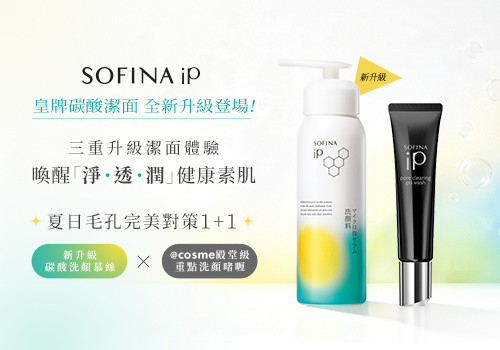
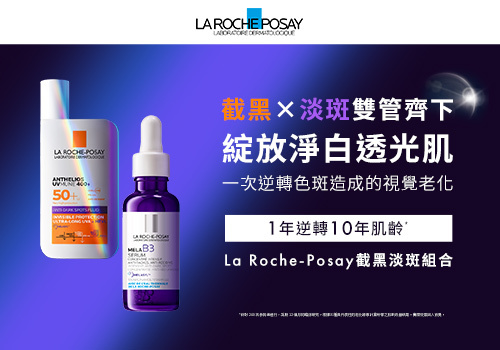
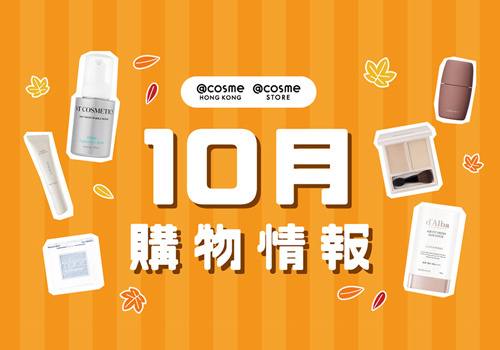
Calvin Kleinck one summer EDTckonesummerEDT淡香水0.0心得評價:0 篇容量/價格:100ml / HK$490上市日期:商品資訊 · 評價照片 · 影片產品資訊香調: 清新果香柑橘調前味:檸檬皮、杜松子、冰鎮西瓜中味:薑根、八角、黃瓜基調:麝香、琥珀、廣藿香ck one summer EDT產品概要品牌Calvin Klein屬性香氛香水香精淡香水標籤- 心得評價香港心得評價 0 篇(0 人覺得好用)海外心得 0 篇精選排序下載@cosme APP 閱讀更多此產品相關心得> 按此下載 < 欲看更多心得請下載@cosme App, 關注品牌,可即時收到品牌最新報導和豐富的好康活動通知喔~Apple StoreGoogle Play好評5星以上淡香水推薦DiorMiss Dior Blooming Bouquet 淡香薰5.791篇心得HK$670/925/1340/1700/1350ANNA SUI築夢天馬淡香水5.036篇心得HK$705/395/545CHANELCHANCE EAU TENDRE EAU DE TOILETTE SPRAY5.238篇心得The Body Shop白麝香淡香水5.046篇心得HK$399/299/199DIPTYQUE淡香水5.531篇心得HK$780Calvin KleinCk One Eau de Toilette4.323篇心得HK$459ANNA SUI許願精靈淡香水4.220篇心得CHANELN°5 EAU DE TOILETTE SPRAY4.520篇心得ANNA SUI洋娃娃淡香水3.217篇心得DIPTYQUE譚道淡香水4.617篇心得HK$830ANNA SUI築夢美人魚淡香水4.115篇心得HK$405/570/705雙妹嚜經典花露水4.213篇心得PreviousNext特別企劃與試用活動看全部【免費試用活動】Sofina iP 毛孔對策1+1 全新升級碳酸洗顏慕絲 x @cosme殿堂級洗顏啫喱【免費試用活動】Sofina iP 毛孔對策1+1 全新升級碳酸洗顏慕絲 x @cosme殿堂級洗顏啫喱【最強截黑淡斑組合】La Roche-Posay 法國專業醫學淡斑精華 x 抗斑防曬 - 無瑕透光肌誕生!@cosme HONG KONG & @cosme STORE 十月購物情報一次看!
Calvin Kleinck one summer EDTckonesummerEDT淡香水0.0心得評價:0 篇容量/價格:100ml / HK$490上市日期:商品資訊 · 評價照片 · 影片產品資訊香調: 清新果香柑橘調前味:檸檬皮、杜松子、冰鎮西瓜中味:薑根、八角、黃瓜基調:麝香、琥珀、廣藿香ck one summer EDT產品概要品牌Calvin Klein屬性香氛香水香精淡香水標籤-