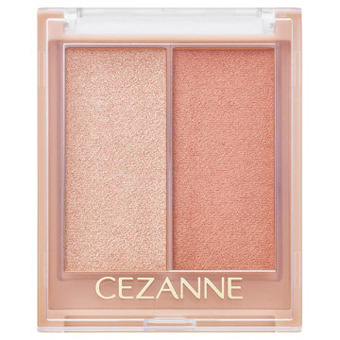
產品資訊
THINKING:
The user wants a translation from Simplified Chinese to Taiwan Traditional Chinese.
I need to be careful with vocabulary and phrasing common in Taiwan, and ensure it's in Traditional Chinese characters.
I also need to make sure there are *no* guiding words, just the translation.
Original text:
揉合啞緻及珠光質地,粉質絲柔貼服,不會卡在細紋
漸變色調,即時提升肌膚光澤及輪廓立體感
適合亞洲膚色,超細粉末貼服肌膚,塑造自然柔光
長效防汗防油,妝效自然持久
Breakdown and translation considerations:
1. **揉合啞緻及珠光質地,粉質絲柔貼服,不會卡在細紋**
* 揉合 (róuhé): "blend", "combine". In Taiwan, "結合" (jiéhé) or "融合" (rónghé) are common, or just describe the outcome. "揉合" is also fine but might sound a bit more mainland. Let's stick with "揉合" as it's not incorrect and preserves the nuance.
* 啞緻 (yǎzhì): "matte". In Taiwan, "霧面" (wùmìan) is very common for matte finish. "啞光" (yǎguāng) is also used. "啞緻" is more common in HK/mainland. Let's use "霧面" for a more Taiwanese feel.
* 珠光 (zhūguāng): "pearly", "shimmer". This is fine.
* 質地 (zhìdì): "texture". This is fine.
* 粉質 (fěnnzhì): "powder quality/texture". This is fine.
* 絲柔貼服 (sīróu tiēfú): "silky smooth and adheres well". "服貼" (fútiē) is common in Taiwan for "adheres well" or "sits well". "絲滑" (sīhuá) for silky smooth. So, "絲滑服貼".
* 不會卡在細紋 (bù huì kǎ zài xìwén): "won't settle/crease in fine lines". "卡粉" (kǎfěn) is common for powder settling in lines/pores. So, "不卡細紋" or "不顯細紋". "不會卡在細紋" is perfectly understandable but "不卡細紋" is more concise and common in beauty product descriptions in Taiwan. Let's use "不卡細紋".
*Combined first sentence:* 揉合霧面及珠光質地,粉質絲滑服貼,不卡細紋。
2. **漸變色調,即時提升肌膚光澤及輪廓立體感**
* 漸變色調 (jiànbiàn sèdiào): "gradient shades/tones". This is fine.
* 即時 (jíshí): "instant", "immediately". This is fine.
* 提升 (tíshēng): "enhance", "boost". This is fine.
* 肌膚光澤 (jīfū guāngzé): "skin radiance/glow". This is fine.
* 輪廓立體感 (lúnkuò lìtǐgǎn): "facial contour dimensionality/three-dimensionality". This is fine. "輪廓立體" (lúnkuò lìtǐ) is also common.
*Combined second sentence:* 漸變色調,即時提升肌膚光澤及輪廓立體感。 (This sentence seems perfectly fine as is for Taiwan.)
3. **適合亞洲膚色,超細粉末貼服肌膚,塑造自然柔光**
* 適合亞洲膚色 (shìhé Yàzhōu fūsè): "suitable for Asian skin tones". This is fine.
* 超細粉末 (chāoxì fěnmò): "ultra-fine powder". This is fine.
* 貼服肌膚 (tiēfú jīfū): "adheres well to skin". Again, "服貼肌膚" is more common in Taiwan.
* 塑造 (sùzào): "create", "sculpt". This is fine.
* 自然柔光 (zìrán róuguāng): "natural soft glow". This is fine.
*Combined third sentence:* 適合亞洲膚色,超細粉末服貼肌膚,塑造自然柔光。
4. **長效防汗防油,妝效自然持久**
* 長效 (chángxiào): "long-lasting". This is fine.
* 防汗防油 (fánghàn fángyóu): "sweat-proof and oil-proof". This is fine.
* 妝效 (zhuāngxiào): "makeup effect/finish". This is fine.
* 自然持久 (zìrán chíjiǔ): "naturally long-lasting". This is fine.
*Combined fourth sentence:* 長效防汗防油,妝效自然持久。 (This sentence also seems fine as is for Taiwan.)
Final review of changes:
1. 啞緻 -> 霧面 (more common in Taiwan for matte)
2. 絲柔貼服 -> 絲滑服貼 (more common phrasing for "silky smooth and adheres well" in Taiwan)
3. 不會卡在細紋 -> 不卡細紋 (more concise and common in Taiwan beauty context)
4. 貼服肌膚 -> 服貼肌膚 (more common word order for "adheres to skin" in Taiwan)
Let's put it all together.