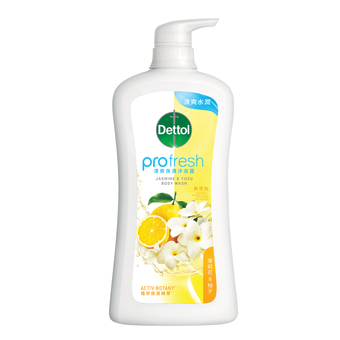
Fresh Line傾城之戀沐浴露PARIS&HELENEShowerWash沐浴露・沐浴乳0.0心得評價:0 篇容量/價格:上市日期:商品資訊 · 評價照片 · 影片產品資訊平衡肌膚及有抗菌作用;清新氣味助您提升活力。 主成分: 檸檬和西柚萃取傾城之戀沐浴露產品概要品牌Fresh Line屬性身體保養沐浴清潔沐浴露・沐浴乳標籤- 心得評價香港心得評價 0 篇(0 人覺得好用)海外心得 0 篇精選排序下載@cosme APP 閱讀更多此產品相關心得> 按此下載 < 欲看更多心得請下載@cosme App, 關注品牌,可即時收到品牌最新報導和豐富的好康活動通知喔~Apple StoreGoogle Play好評5星以上沐浴露・沐浴乳推薦Aesop賦活芳香手部清潔露5.125篇心得HK$260Dettol 滴露ProFresh清爽保濕沐浴露(紫羅蘭及洋甘菊)5.653篇心得HK$67.9Dettol 滴露ProFresh清爽保濕沐浴露(玫瑰及白麝香)5.862篇心得HK$67.9CeraVe清爽泡沫潔膚露5.6114篇心得HK$185/115/299Dove 多芬多芬滋養柔膚沐浴乳5.284篇心得HK$55.7Dettol 滴露ProFresh清爽保濕沐浴露(水感蜜桃)5.890篇心得HK$67.9SABON嬌貴茉莉沐浴油5.338篇心得Dettol 滴露ProFresh清爽保濕沐浴露(綠茶與茉莉花香)5.434篇心得Dettol 滴露ProFresh清爽保濕沐浴露(清新柑橘及淡雅橙花)5.862篇心得HK$67.9Dettol 滴露ProFresh清爽保濕沐浴露(柚子及茉莉花)5.859篇心得HK$67.9L'Occitane en Provence杏仁沐浴油5.460篇心得HK$340SABON薑橙沐浴油5.026篇心得HK$270PreviousNext特別企劃與試用活動看全部@cosme HONG KONG & @cosme STORE 十月購物情報一次看!@cosme STORE 九月購物情報一次看!@cosme HONG KONG & @cosme STORE 十月購物情報一次看!【最強截黑淡斑組合】La Roche-Posay 法國專業醫學淡斑精華 x 抗斑防曬 - 無瑕透光肌誕生!
Fresh Line傾城之戀沐浴露PARIS&HELENEShowerWash沐浴露・沐浴乳0.0心得評價:0 篇容量/價格:上市日期:商品資訊 · 評價照片 · 影片產品資訊平衡肌膚及有抗菌作用;清新氣味助您提升活力。 主成分: 檸檬和西柚萃取傾城之戀沐浴露產品概要品牌Fresh Line屬性身體保養沐浴清潔沐浴露・沐浴乳標籤-