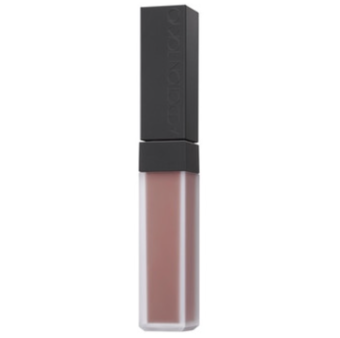
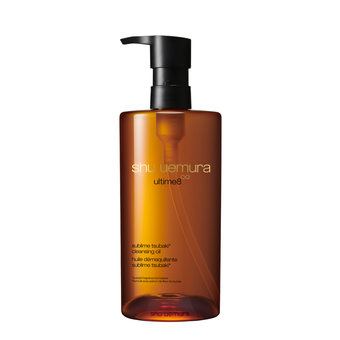
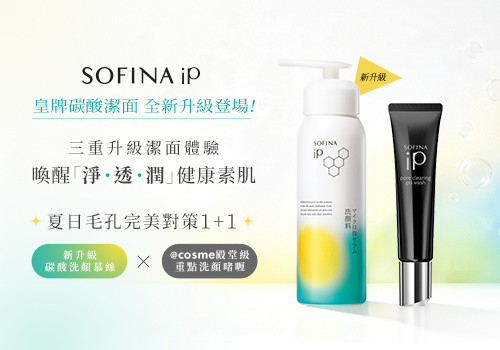
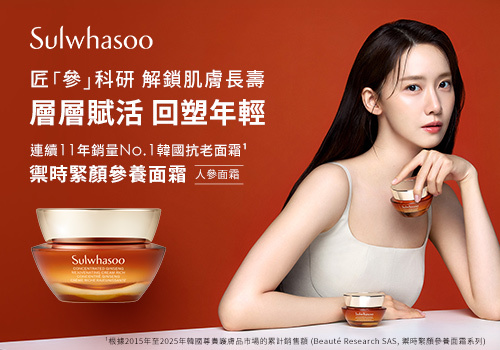
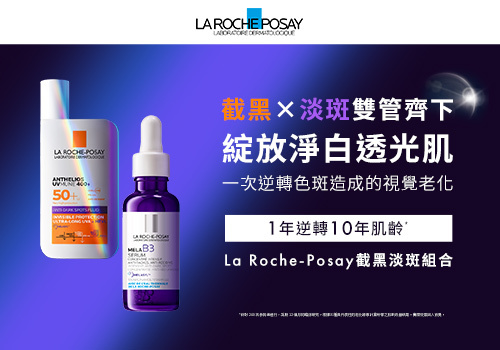
shu uemura 植村秀無色限方管漆光唇釉rouge unlimited liquid lacquer唇釉0.0心得評價:0 篇容量/價格:上市日期:2021.01.15商品資訊 · 評價照片 · 影片產品資訊獨特添加頂級美容油,仿若水晶般光澤薄膜,一抹融於雙唇,令人無法抗拒的滑順舒適感,搭配特調濃郁顯色因子,創造出長效持久不沾染的水晶光亮澤感。無色限方管漆光唇釉產品概要品牌shu uemura 植村秀屬性彩妝唇彩唇釉標籤- 心得評價香港心得評價 0 篇(0 人覺得好用)海外心得 0 篇精選排序下載@cosme APP 閱讀更多此產品相關心得> 按此下載 < 欲看更多心得請下載@cosme App, 關注品牌,可即時收到品牌最新報導和豐富的好康活動通知喔~Apple StoreGoogle Play好評5星以上唇釉推薦Benefit絲絨柔霧滋潤唇釉5.132篇心得Benefit波光水漾滋潤唇釉5.128篇心得CHANEL啞緻柔滑唇彩5.021篇心得HK$290ARMANI Beauty絲絨啞亮唇釉5.437篇心得HK$285Fujiko豐潤水光不沾色唇釉5.014篇心得HK$109ADDICTION輕霧持色唇釉5.624篇心得YSL BEAUTÉ持色炫彩水唇釉5.438篇心得MAYBELLINE超持久絲霧唇膏液3.566篇心得INNISFREE柔亮棉花唇釉4.825篇心得HK$78YSL BEAUTÉ彩蜜唇色漆亮系列4.619篇心得L'ORÉAL PARiS絲絨啞緻唇釉4.719篇心得HK$125NARS啞緻水彩唇釉4.219篇心得HK$250PreviousNext相關消息看全部9月新品: 植村秀shu uemura 全新 無限修護精華粉餅 ‧ 無限修護透光精華粉底液12026.09.30# 本地消息7月新品: 植村秀 shu uemura 全新 hard10 武士刀眉筆 ‧ 塑型多用彩妝棒52026.07.16# 本地消息4月新品: 植村秀 shu uemura 全新絹感潤護水光精華唇油72026.04.15# 本地消息其他 shu uemura 植村秀 推薦產品看全部shu uemura 植村秀專業睫毛夾睫毛夾4.5心得評價:19 篇shu uemura 植村秀petal 55 粉底掃刷具5.2心得評價:27 篇shu uemura 植村秀ultime8 琥珀山茶花養膚潔顏油卸妝油6.1心得評價:86 篇容量/價格:450ml/150ml / HK$935/415shu uemura 植村秀unlimited 無限輕透持妝粉底液 (小方瓶 2.0)粉底液5.9心得評價:115 篇容量/價格:35ml / HK$485特別企劃與試用活動看全部【免費試用活動】Sofina iP 毛孔對策1+1 全新升級碳酸洗顏慕絲 x @cosme殿堂級洗顏啫喱【免費試用活動】韓國連續11年銷量No.1 雪花秀 Sulwhasoo 人參面霜 解鎖肌膚抗老長壽秘密【免費試用活動】Sofina iP 毛孔對策1+1 全新升級碳酸洗顏慕絲 x @cosme殿堂級洗顏啫喱【最強截黑淡斑組合】La Roche-Posay 法國專業醫學淡斑精華 x 抗斑防曬 - 無瑕透光肌誕生!
shu uemura 植村秀無色限方管漆光唇釉rouge unlimited liquid lacquer唇釉0.0心得評價:0 篇容量/價格:上市日期:2021.01.15商品資訊 · 評價照片 · 影片產品資訊獨特添加頂級美容油,仿若水晶般光澤薄膜,一抹融於雙唇,令人無法抗拒的滑順舒適感,搭配特調濃郁顯色因子,創造出長效持久不沾染的水晶光亮澤感。無色限方管漆光唇釉產品概要品牌shu uemura 植村秀屬性彩妝唇彩唇釉標籤-