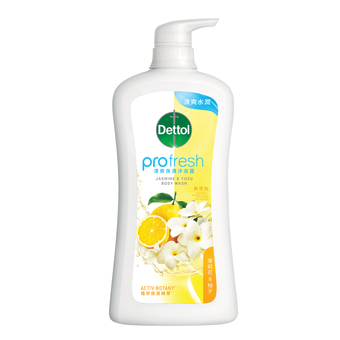
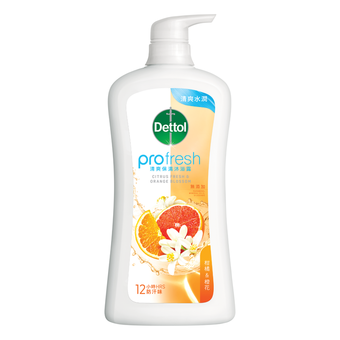
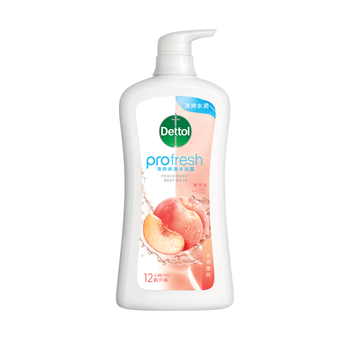
產品資訊
THOUGHT: The user wants a direct translation from Traditional Chinese (Simplified source, but the user wants Traditional Chinese output for Taiwan).
I need to make sure I use terms commonly understood and used in Taiwan for skincare products.
Original text:
絲般質感,營養豐富,沐浴期間舒緩身心
濃鬱的琥珀色浴液溶於水中,散發麥盧卡花蜜、人參及椰子油的甜美氣息,提供多重滋養,令肌膚更顯柔嫩飽滿。
Breakdown and translation considerations:
1. **絲般質感**: "絲般" (sī bān) means "silky". "質感" (zhì gǎn) means "texture". This is straightforward. -> 絲滑質地 / 絲綢般觸感
2. **營養豐富**: "營養" (yíng yǎng) means "nutritious/nourishing". "豐富" (fēng fù) means "rich/abundant". -> 滋養豐富
3. **沐浴期間舒緩身心**: "沐浴期間" (mù yù qí jiān) means "during bathing". "舒緩" (shū huǎn) means "soothe/relax". "身心" (shēn xīn) means "body and mind". This is also straightforward. -> 沐浴時舒緩身心
4. **濃鬱的琥珀色浴液溶於水中**: "濃鬱" (nóng yù) means "rich/dense/intense". "琥珀色" (hǔ pò sè) means "amber color". "浴液" (yù yè) means "bath liquid/bath wash". "溶於水中" (róng yú shuǐ zhōng) means "dissolves in water".
* "濃鬱" for a bath liquid might be translated as "豐潤" (fēng rùn) or just "濃郁" as it is, but "豐潤" often implies richness in feel. "濃郁" works for scent and color. For the liquid itself, "濃郁" is fine.
* "浴液" in Taiwan is usually "沐浴乳" (mù yù rǔ) or "沐浴露" (mù yù lù) if it's more gel-like, or "沐浴精" (mù yù jīng). "浴液" is a bit more generic. Given it's "bath liquid," "沐浴露" or "沐浴精" might be more appropriate if it's a pour-in-the-bath type. If it's for showering, "沐浴乳". The context "溶於水中" suggests a pour-in-the-bath product rather than just a shower gel. So "沐浴露" or "浴液" is okay. Let's stick with "浴液" as it's general and accurate.
5. **散發麥盧卡花蜜、人參及椰子油的甜美氣息**: "散發" (sàn fā) means "emits/diffuses". "麥盧卡花蜜" (mài lú kǎ huā mì) is Manuka honey. "人參" (rén shēn) is ginseng. "椰子油" (yē zi yóu) is coconut oil. "甜美氣息" (tián měi qì xī) means "sweet scent/fragrance". -> 散發麥盧卡蜂蜜、人蔘及椰子油的甜美香氣
* "花蜜" vs "蜂蜜": In Taiwan, "蜂蜜" (fēng mì) is more common for honey. "花蜜" usually refers to the nectar from flowers before bees process it. For a product ingredient, "蜂蜜" is better.
* "人參" vs "人蔘": "人蔘" is the standard Traditional Chinese character for ginseng.
* "氣息" vs "香氣": "香氣" (xiāng qì) is more common for describing the scent of products in Taiwan.
6. **提供多重滋養**: "提供" (tí gōng) means "provides". "多重" (duō chóng) means "multiple". "滋養" (zī yǎng) means "nourishment/to nourish". -> 提供多重滋養
7. **令肌膚更顯柔嫩飽滿**: "令" (lìng) means "makes/causes". "肌膚" (jī fū) means "skin". "更顯" (gèng xiǎn) means "appears more". "柔嫩" (róu nèn) means "soft and tender". "飽滿" (bǎo mǎn) means "plump/full". -> 使肌膚更顯柔嫩飽滿
Let's put it together:
Original:
絲般質感,營養豐富,沐浴期間舒緩身心
濃鬱的琥珀色浴液溶於水中,散發麥盧卡花蜜、人參及椰子油的甜美氣息,提供多重滋養,令肌膚更顯柔嫩飽滿。
Proposed Taiwan Traditional Chinese:
絲滑質地,滋養豐富,沐浴時舒緩身心。
濃郁琥珀色浴液溶於水中,散發麥盧卡蜂蜜、人蔘及椰子油的甜美香氣,提供多重滋養,使肌膚更顯柔嫩飽滿。
Check for any guiding words: No "以下是翻譯", no "Here is the translation". Just the direct translation.
The punctuation needs to be in Traditional Chinese style as well (full-width commas and periods).
"絲般質感" can be "絲滑質地" which is more common and feels natural in Taiwan for product description. Or "絲綢般觸感". "絲滑質地" seems good.
"營養豐富" -> "滋養豐富" or "富含滋養成分". "滋養豐富" is concise and common.
"濃鬱" -> "濃郁" (same characters but common usage is "濃郁" for scent/color depth).
Final check:
- 絲般質感 -> 絲滑質地 (more natural for product description)
- 營養豐富 -> 滋養豐富 (more appropriate for skincare)
- 沐浴期間舒緩身心 -> 沐浴時舒緩身心 (slight phrasing change, common in TW)
- 濃鬱的琥珀色浴液 -> 濃郁琥珀色浴液 (common TW phrasing)
- 麥盧卡花蜜 -> 麥盧卡蜂蜜 (common ingredient name in TW)
- 人參 -> 人蔘 (correct TW character)
- 甜美氣息 -> 甜美香氣 (common TW phrasing for fragrance)
- 令肌膚 -> 使肌膚 (common TW phrasing for "makes skin")
Looks good.