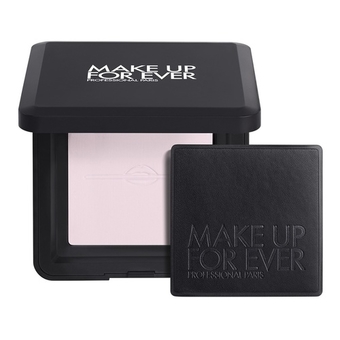
質地柔滑易推,擅長修飾毛孔,賦予霧面清爽感,適合油性肌。然而,不含防曬調色,部分用家反映毛孔修飾效果不顯著,或有矽膠膜感,易與粉底搓泥,影響妝容持久度。

產品資訊
THOUGHT: The user wants a direct translation from simplified Chinese to traditional Chinese (Taiwan variant). I need to make sure the phrasing sounds natural for Taiwan.
Original text: 即時撫平細紋及修飾毛孔,超貼面不會有黏笠感,上粉底後也不會出現「擦字膠碎」,大大提升妝容平滑度,專為追求細緻妝容兼遮蓋毛孔問題而設。
Let's break it down:
* **即時撫平細紋及修飾毛孔**: "即時" is fine. "撫平" is fine. "細紋" is fine. "修飾毛孔" is fine.
* **超貼面不會有黏笠感**:
* "超貼面": "超" is fine. "貼面" can be "服貼" or "貼妝" in Taiwan. "服貼" is very common for makeup.
* "不會有黏笠感": "不會有" is fine. "黏笠感" is Hong Kong/Guangdong usage. In Taiwan, it's "黏膩感" or "黏黏的感覺". "黏膩感" is more formal and appropriate for product description.
* **上粉底後也不會出現「擦字膠碎」**:
* "上粉底後": Fine.
* "也不會出現": Fine.
* "擦字膠碎": This is a literal translation of "eraser crumbs" in HK/mainland. In Taiwan, this phenomenon is called "起屑" (qǐ xiè) or "產生屑屑" (chǎn shēng xiè xiè), or more colloquially "搓泥" (cuō ní) if it's due to pilling, or "屑屑" (xiè xiè) directly. "起屑" is the most common and professional term for cosmetics pilling. "擦字膠碎" is not used in Taiwan.
* **大大提升妝容平滑度**: "大大提升" is fine. "妝容平滑度" is fine.
* **專為追求細緻妝容兼遮蓋毛孔問題而設**:
* "專為": Fine.
* "追求細緻妝容": Fine.
* "兼遮蓋毛孔問題": "兼" is fine. "遮蓋毛孔問題" is fine.
* "而設": Fine.
Putting it all together with Taiwan phrasing:
即時撫平細紋及修飾毛孔,超服貼不會有黏膩感,上粉底後也不會起屑,大大提升妝容平滑度,專為追求細緻妝容兼遮蓋毛孔問題而設計。
Check again:
* 即時撫平細紋及修飾毛孔 (Immediate smoothing of fine lines and pore refinement) - Good.
* 超服貼不會有黏膩感 (Super adherent without a sticky feeling) - Good. "服貼" is very common.
* 上粉底後也不會起屑 (No pilling after applying foundation) - "起屑" is the correct term.
* 大大提升妝容平滑度 (Greatly enhances makeup smoothness) - Good.
* 專為追求細緻妝容兼遮蓋毛孔問題而設計 (Designed for those who seek a delicate makeup look and want to conceal pore issues) - "而設計" sounds a bit more natural than "而設" in this context. "而設" isn't wrong but "而設計" is more common for products.
Looks good.