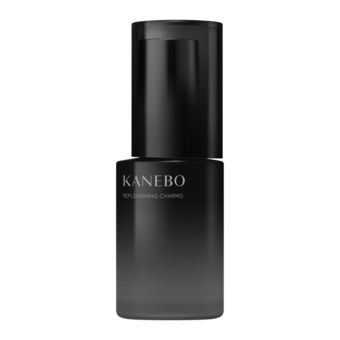
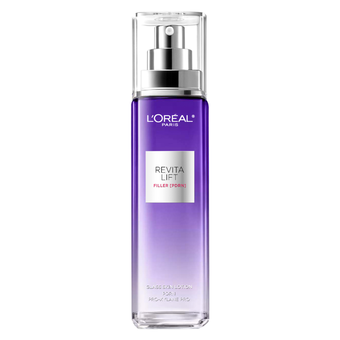
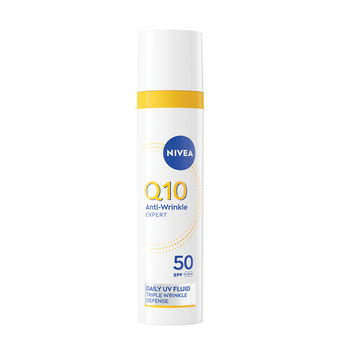
此乳液質地水潤輕盈、不黏膩,能為肌膚帶來持久水潤光澤,作妝前使用或春夏尤其適合,敏感肌亦適用。部分用家認為滋潤度不足或感黏膩,保濕效果有待提升。

產品資訊
THOUGHT: The user wants a direct translation from Traditional Chinese (Hong Kong/Macau) to Traditional Chinese (Taiwan), specifically for a product description. I need to ensure the vocabulary and phrasing match typical Taiwanese cosmetic product language.
Original text:
揉合皇牌保濕成分「天然絲繭精華」及「雙重玻尿酸」
加入其他美容成分:米糠油(柔膚)、蜂蜜(滋潤)、膠原蛋白(增加肌膚彈性及含水量)
通過敏感測試、無香料、無色素、無酒精
Let's break it down:
1. **「揉合皇牌保濕成分『天然絲繭精華』及『雙重玻尿酸』」**
* 揉合 (róuhé): Blend, combine. This is fine in Taiwan too, but "結合" (jiéhé - combine) or "融合" (rónghé - merge, integrate) are also very common. "揉合" sounds a bit more like 'kneading together' which is perfectly fine for a cosmetic description.
* 皇牌 (huángpái): Star product, flagship, premium. In Taiwan, "明星" (míngxīng - star) or "經典" (jīngdiǎn - classic) or simply "頂級" (dǐngjí - top-grade) or "獨家" (dújiā - exclusive) are common. "皇牌" is understood but "明星" is probably more typical for "star ingredient". Let's stick with "皇牌" as it's common enough to be understood in a marketing context, or perhaps "經典" might be a good alternative if "皇牌" feels too Hong Kong-specific. However, "皇牌成分" is totally acceptable.
* 保濕成分 (bǎoshī chéngfèn): Moisturizing ingredients. This is perfect.
* 天然絲繭精華 (tiānrán sījiǎn jīnghuá): Natural silk cocoon extract. This is perfect.
* 雙重玻尿酸 (shuāngchóng tòumíng zhìsuān): Double hyaluronic acid. This is perfect.
*Initial thought for this line:* 揉合皇牌保濕成分「天然絲繭精華」及「雙重玻尿酸」 - This sentence is quite standard and doesn't need much change. "揉合" and "皇牌" are generally understood and used in Taiwan, perhaps slightly less common than "融合" or "明星" but not incorrect.
2. **「加入其他美容成分:米糠油(柔膚)、蜂蜜(滋潤)、膠原蛋白(增加肌膚彈性及含水量)」**
* 加入其他美容成分 (jiārù qítā měiróng chéngfèn): Added other beauty ingredients. This is perfect.
* 米糠油(柔膚) (mǐkāngyóu (róufū)): Rice bran oil (skin softening). "柔膚" is perfect.
* 蜂蜜(滋潤) (fēngmì (zīrùn)): Honey (moisturizing/nourishing). "滋潤" is perfect.
* 膠原蛋白(增加肌膚彈性及含水量) (jiāoyuándànbái (zēngjiā jīfū tánxìng jí hánshuǐliàng)): Collagen (increases skin elasticity and water content). This is perfect.
*Initial thought for this line:* This line is also very standard and doesn't need any changes.
3. **「通過敏感測試、無香料、無色素、無酒精」**
* 通過敏感測試 (tōngguò mǐngǎn cèshì): Passed sensitivity test. This is perfect. Sometimes "經敏感測試" (jīng mǐngǎn cèshì - tested for sensitivity) is used, but "通過" is also common.
* 無香料 (wú xiāngliào): Fragrance-free. Perfect.
* 無色素 (wú sèsù): Colorant-free. Perfect.
* 無酒精 (wú jiǔjīng): Alcohol-free. Perfect.
*Initial thought for this line:* This line is entirely standard for cosmetic product claims in Taiwan.
**Conclusion:** The original text is already very close to typical Taiwanese marketing language for cosmetics. Very few, if any, changes are needed. "揉合皇牌" might be slightly less common than "融合明星" but it's not incorrect or confusing. I will keep it as close to the original as possible while ensuring it sounds natural in Taiwan. Since the instruction is "直接原文幫我翻譯成台灣繁體中文,不要有任何引導詞", and the original *is already* Traditional Chinese, the task is more about checking for regional nuances. In this case, there are very few significant differences.
I will simply present the text as is, as it already fits "Taiwan Traditional Chinese" perfectly without needing alteration.